
Hello 👋, my name is Ching Chang, also known as Jason Chang. I am currently a Staff ML Research Scientist at Pravāh. I received my PhD in Computer Science from National Yang Ming Chiao Tung University (NYCU), Taiwan, advised by Prof. Wen-Chih Peng. Previously, I was a Visiting Graduate Researcher in Computer Science at UCLA, working with Prof. Wei Wang.
My research focuses on Time Series Analysis, Foundation Models, Multimodal Learning, Agentic Reinforcement Learning, and Reasoning. I have published multiple papers in top AI and data science conferences and journals, including NeurIPS, AAAI, ICDE, CIKM, and ACM TIST, with total

Work Authorization: EB-1A I-140 Approved • Currently on O-1A • EAD expected December 2026 (no visa sponsorship required)
📖 Education
- 2021.09 – 2026.03, National Yang Ming Chiao Tung University (NYCU), Taiwan, PhD in Computer Science
- 2025.02 – 2026.02, University of California, Los Angeles (UCLA), USA, Visiting Graduate Researcher in Computer Science
- 2016.09 – 2018.09, National Chiao Tung University (NCTU), Taiwan, MSc in Computer Science and Engineering
- 2012.09 – 2016.06, National Chiao Tung University (NCTU), Taiwan, BSc in Electrical and Computer Engineering
💻 Work Experience
-
2026.03 – Now, Staff ML Research Scientist, Pravah, San Francisco, CA, USA
-
2025.09 – 2026.02, Research Consultant, TSMC, Hsinchu, Taiwan
-
2022.09 – 2025.02, Research Scientist (Intern), TSMC, Hsinchu, Taiwan
-
2021.01 – 2025.01, Research Scientist (Intern), GoEdge.ai, Hsinchu, Taiwan
-
2019.07 – 2020.12, Machine Learning Engineer, TSMC, Hsinchu, Taiwan
-
2018.04 – 2018.09, Machine Learning Engineer (Intern), EPISTAR, Hsinchu, Taiwan
📝 Publications
Click a paper to expand its figure and abstract.
Sort:
NeurIPS 2025 Time-IMM: A Dataset and Benchmark for Irregular Multimodal Multivariate Time Series

 Project Page Video Slides
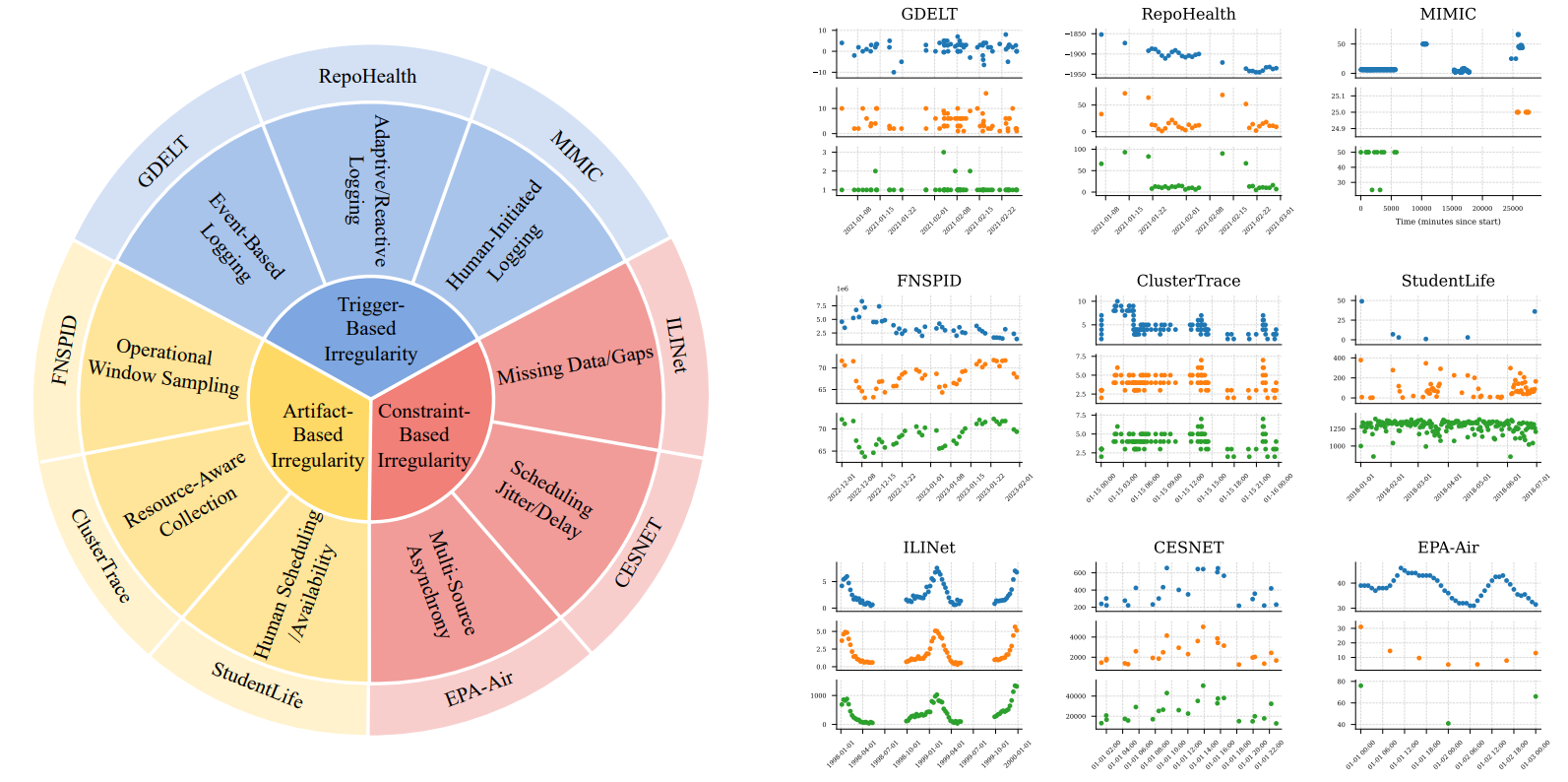
Time-IMM is a comprehensive benchmark and open-source library designed for irregular, multimodal time series. It introduces nine real-world datasets across diverse domains and provides tools for fusing asynchronous text with numeric signals, showing that multimodal integration can significantly enhance forecasting in complex, real-world settings.
ACM TIST 2025 LLM4TS: Aligning Pre-Trained LLMs as Data-Efficient Time-Series Forecasters

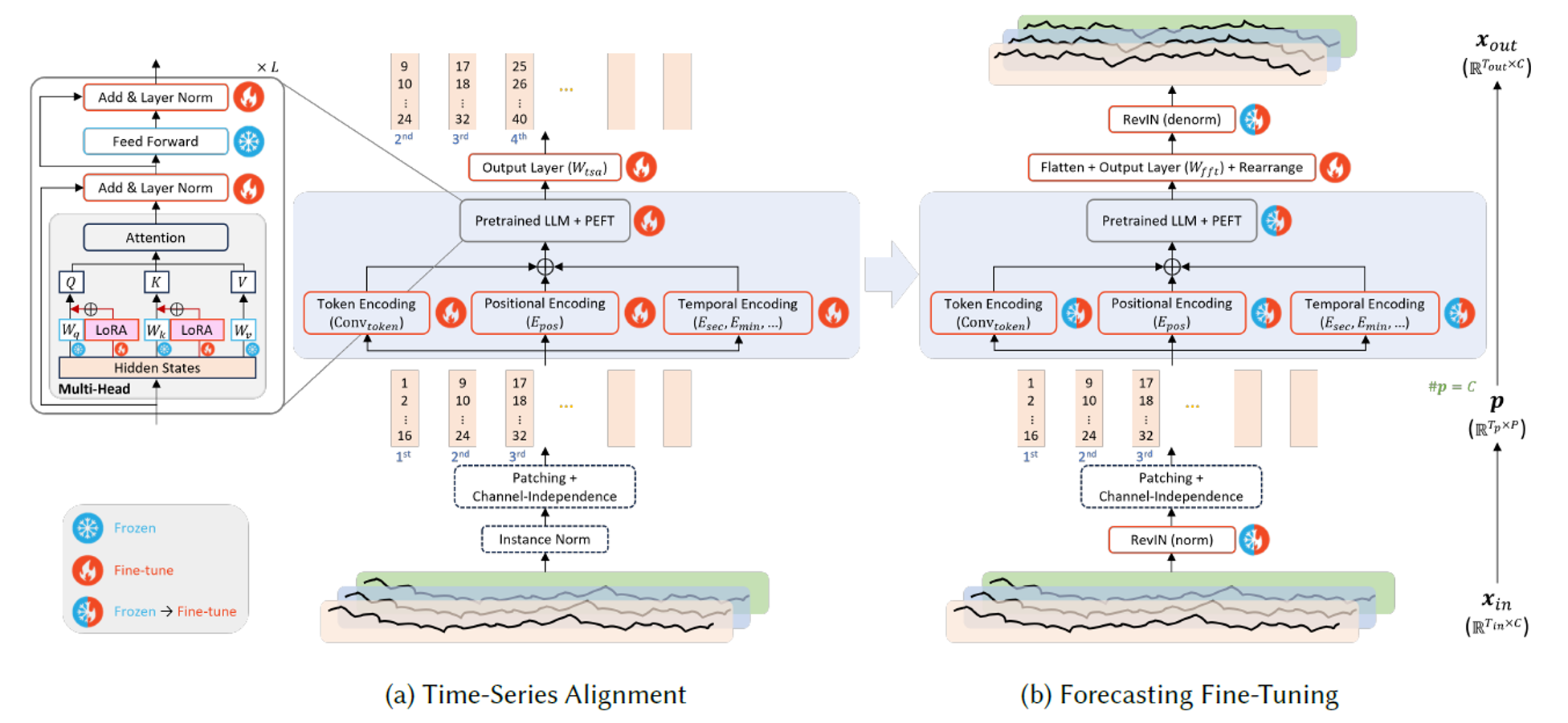
LLM4TS is a framework that adapts pre-trained Large Language Models for multivariate time series forecasting through a two-stage fine-tuning process. It captures multi-scale temporal patterns and achieves state-of-the-art performance across full-shot and few-shot settings.
TechRxiv 2025 Training Recipes for Agentic Reinforcement Learning in LLMs: A Survey

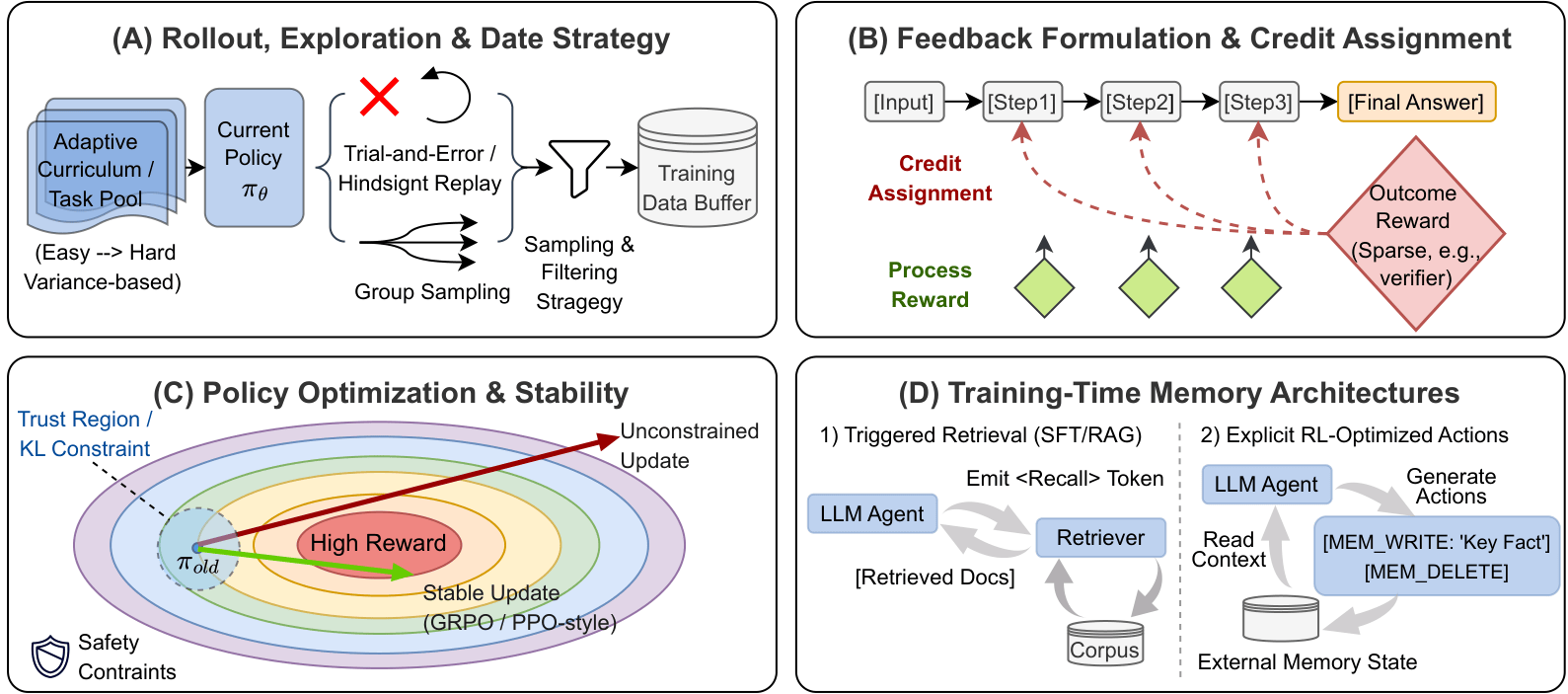
This survey systematizes the training recipes, infrastructure, and environments of Agentic Reinforcement Learning to provide a unified framework for building robust, generalist autonomous agents from scratch, addressing the shortcomings of standard alignment methods like RLHF.
TMLR 2026 A Survey of Reasoning and Agentic Systems in Time Series with Large Language Models

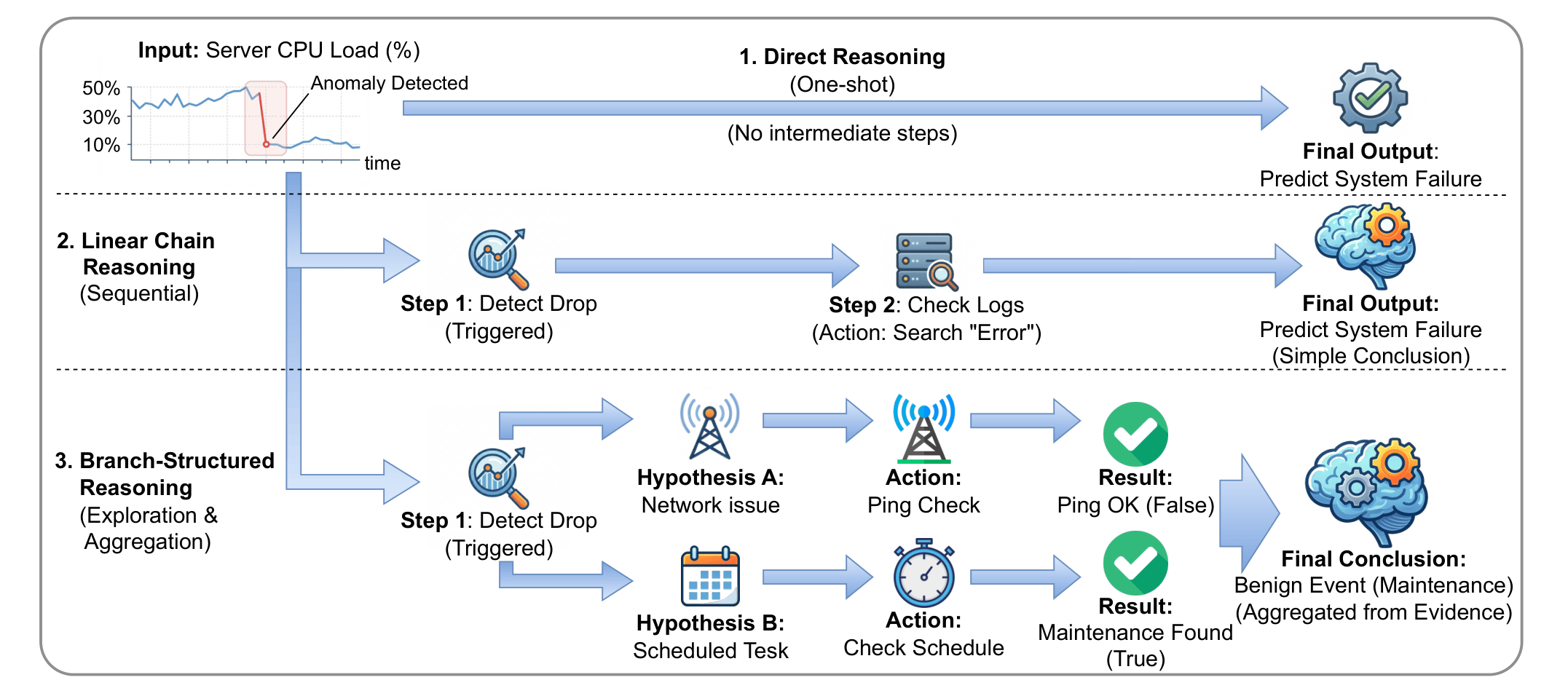
Defines time-series reasoning through a two-level taxonomy (reasoning topology × primary objectives) and a compact attribute tag set (e.g., decomposition, verification, tool use, multimodality, alignment), while curating research and non-research works with guidance on evaluation and deployment.
ICDM 2026 Perseus: Interactive Time Series Segmentation with Sparse Supervision via Stateful Memory

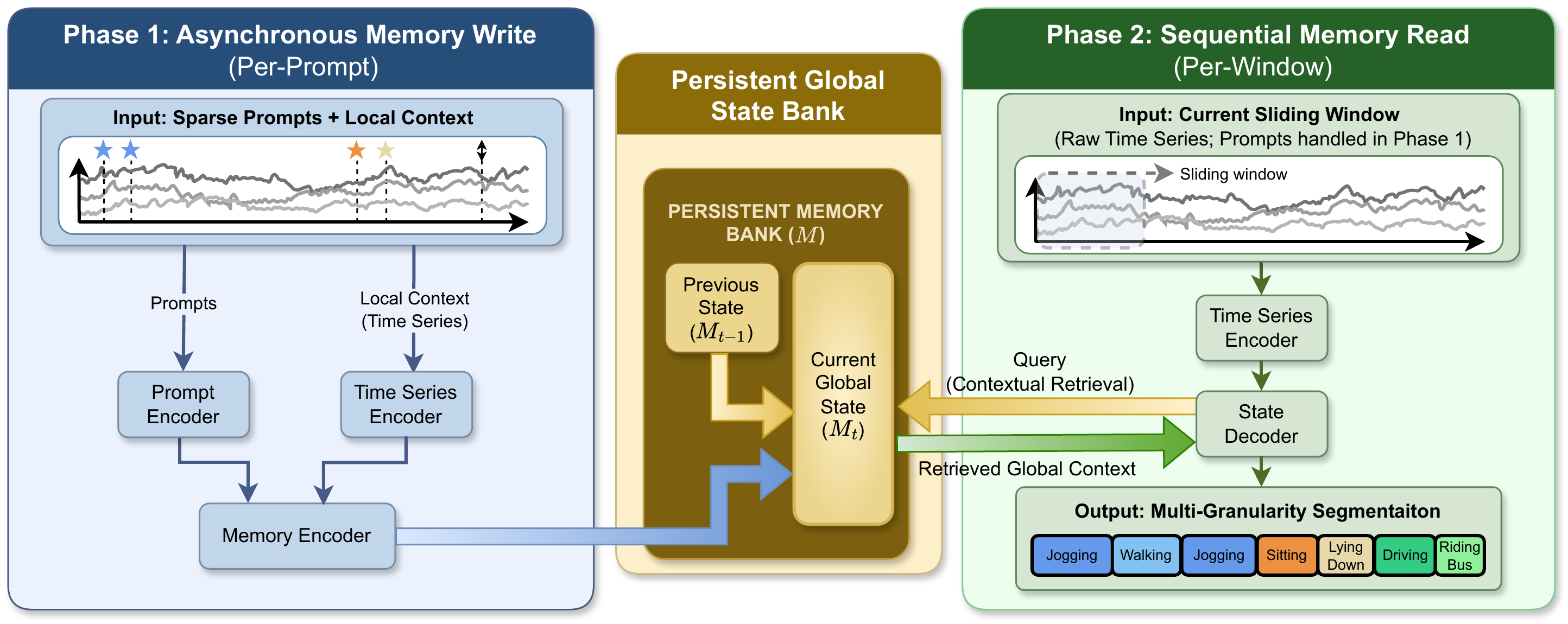
Perseus is an interactive framework for multi-granularity time series segmentation under sparse supervision. Each user prompt is encoded with its local context into a persistent memory bank, so predictions condition on all prompts accumulated across iterations rather than only their local neighborhood. Across six wearable-sensing and industrial datasets, it improves segmentation accuracy by 23% (single-granularity) and 85% (multi-granularity) over strong baselines, with more than double the per-iteration refinement gains of its predecessor PromptTSS.
ICML 2026 Position: Beyond Prediction: Toward Verifiable Physiological Waveform Reasoning with Foundation Models and Agentic LLMs
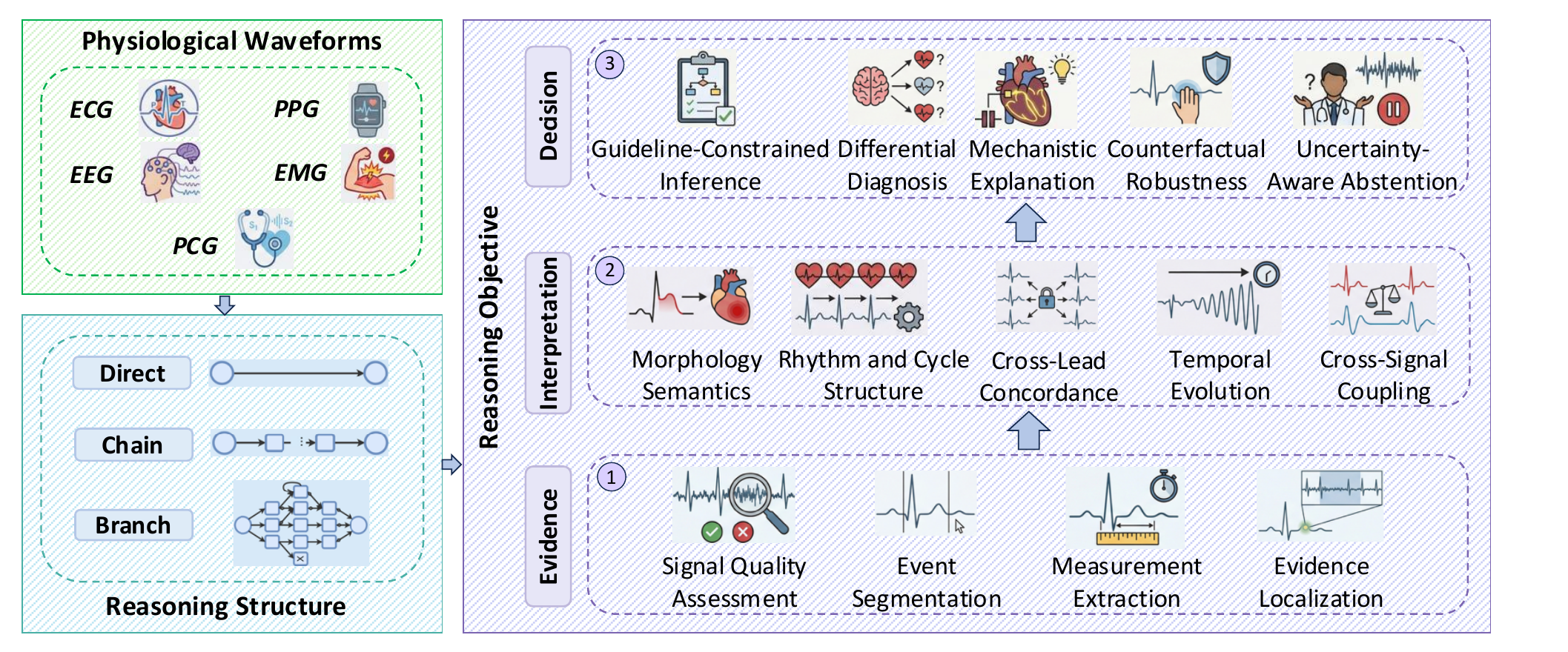
This position paper argues that physiological waveform analysis should move beyond black-box prediction toward verifiable reasoning, mapping how foundation models and agentic LLMs can ground, verify, and explain conclusions drawn from signals such as ECG and PPG, and laying out the field's open challenges and research agenda.
KDD 2026 FD-Bench: A Modular and Fair Benchmark for Data-driven Fluid Simulation

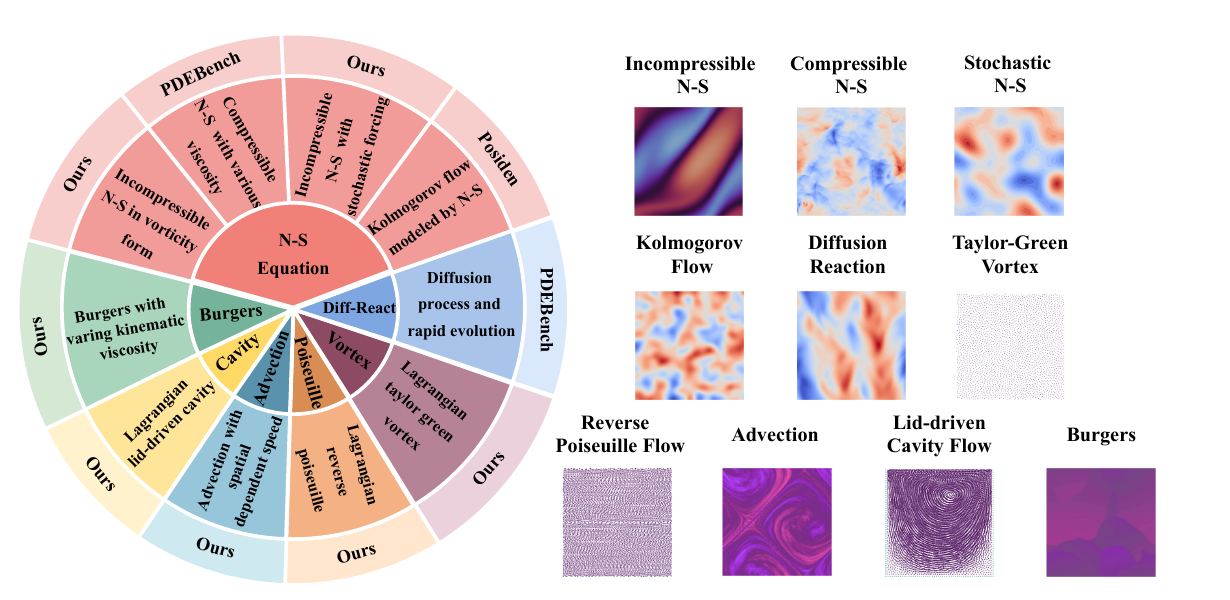
FD-Bench is a modular benchmark for data-driven fluid simulation that enables fair, reproducible comparisons across spatial, temporal, and loss-function design choices, evaluating 85 baseline models over diverse flow scenarios with standardized protocols and a public leaderboard.
CIKM 2025 PromptTSS: A Prompting-Based Approach for Interactive Multi-Granularity Time Series Segmentation
 Slides Video
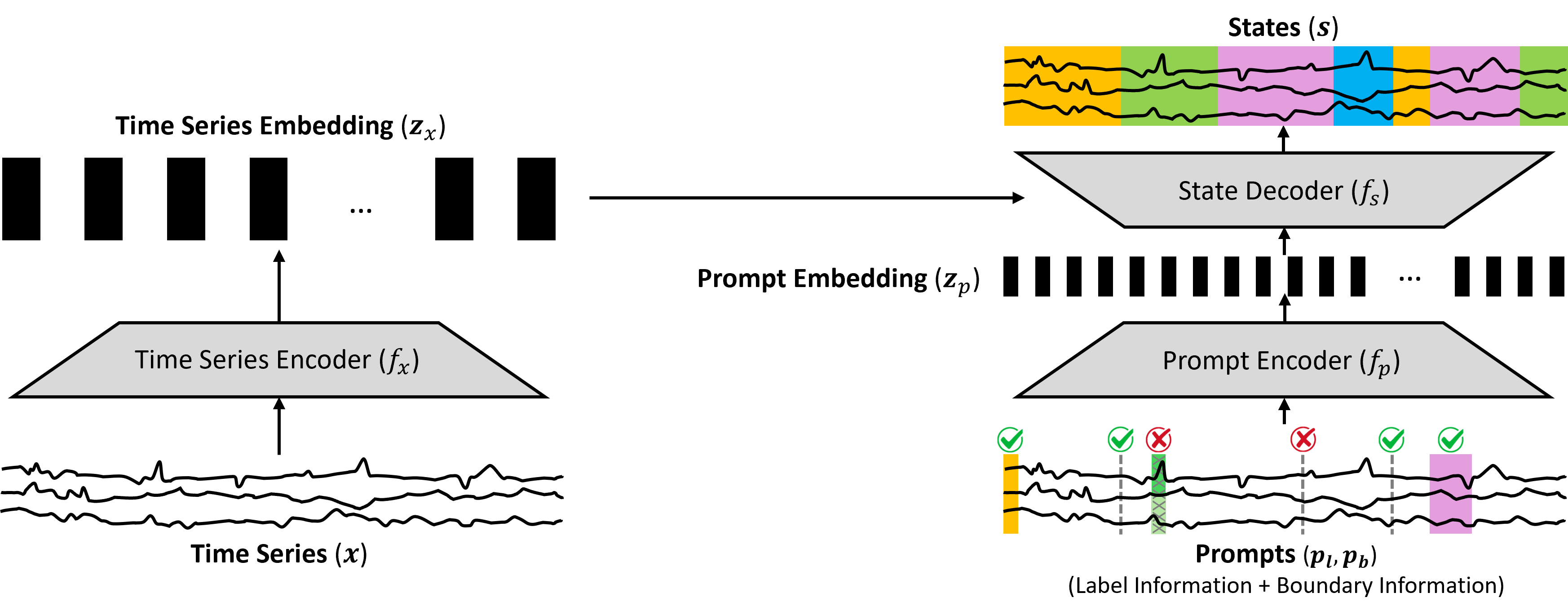
PromptTSS is a framework that unifies coarse- and fine-grained time series segmentation using prompts for dynamic adaptation. It achieves substantial accuracy gains in segmentation and transfer learning, showing strong effectiveness for hierarchical, evolving time series.
ICDE 2024 TimeDRL: Disentangled Representation Learning for Multivariate Time-Series
 Video
Video
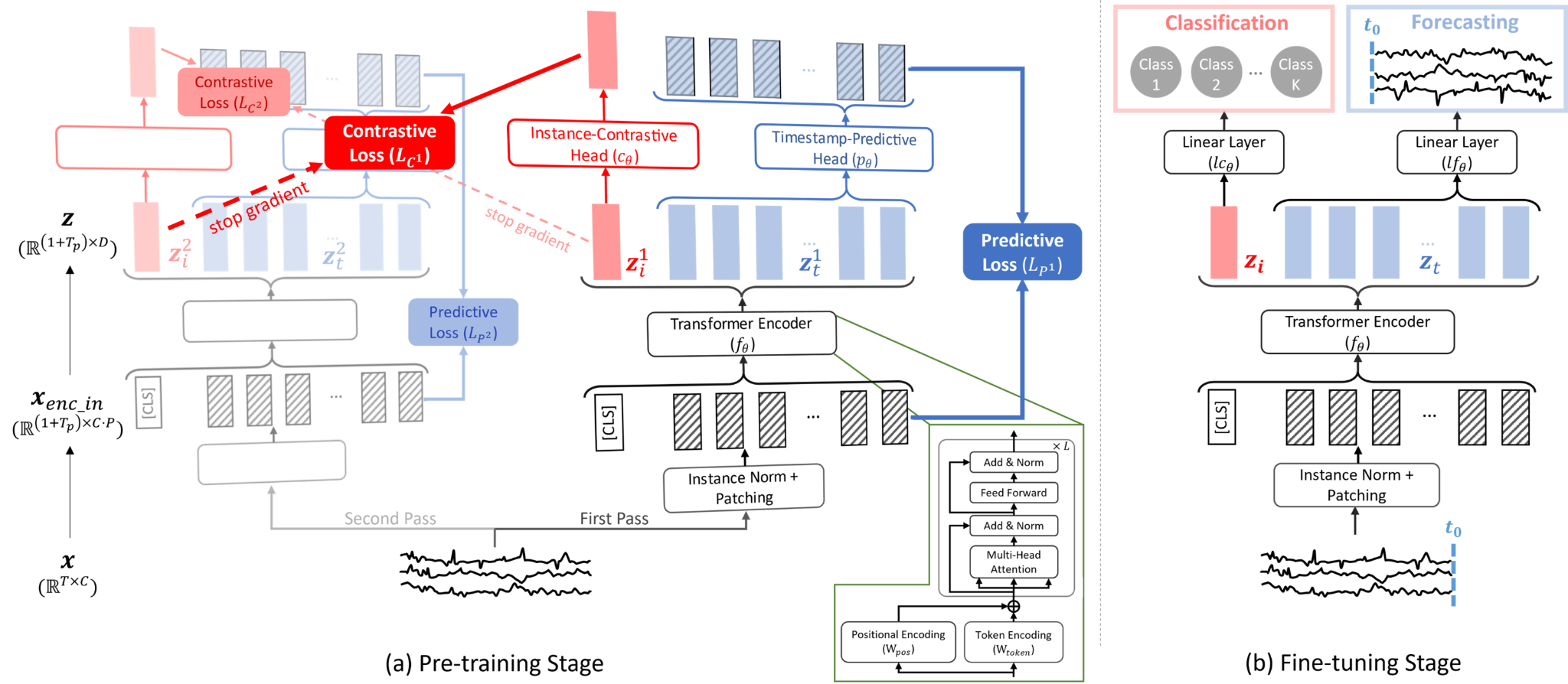
TimeDRL is a self-supervised learning framework for multivariate time series data that learns disentangled timestamp- and instance-level embeddings without relying on augmentations. It introduces dual-level objectives for predictive and contrastive learning, and achieves strong performance across forecasting and classification tasks, even in low-label scenarios.
CIKM 2024 COKE: Causal Discovery with Chronological Order and Expert Knowledge in High Proportion of Missing Manufacturing Data

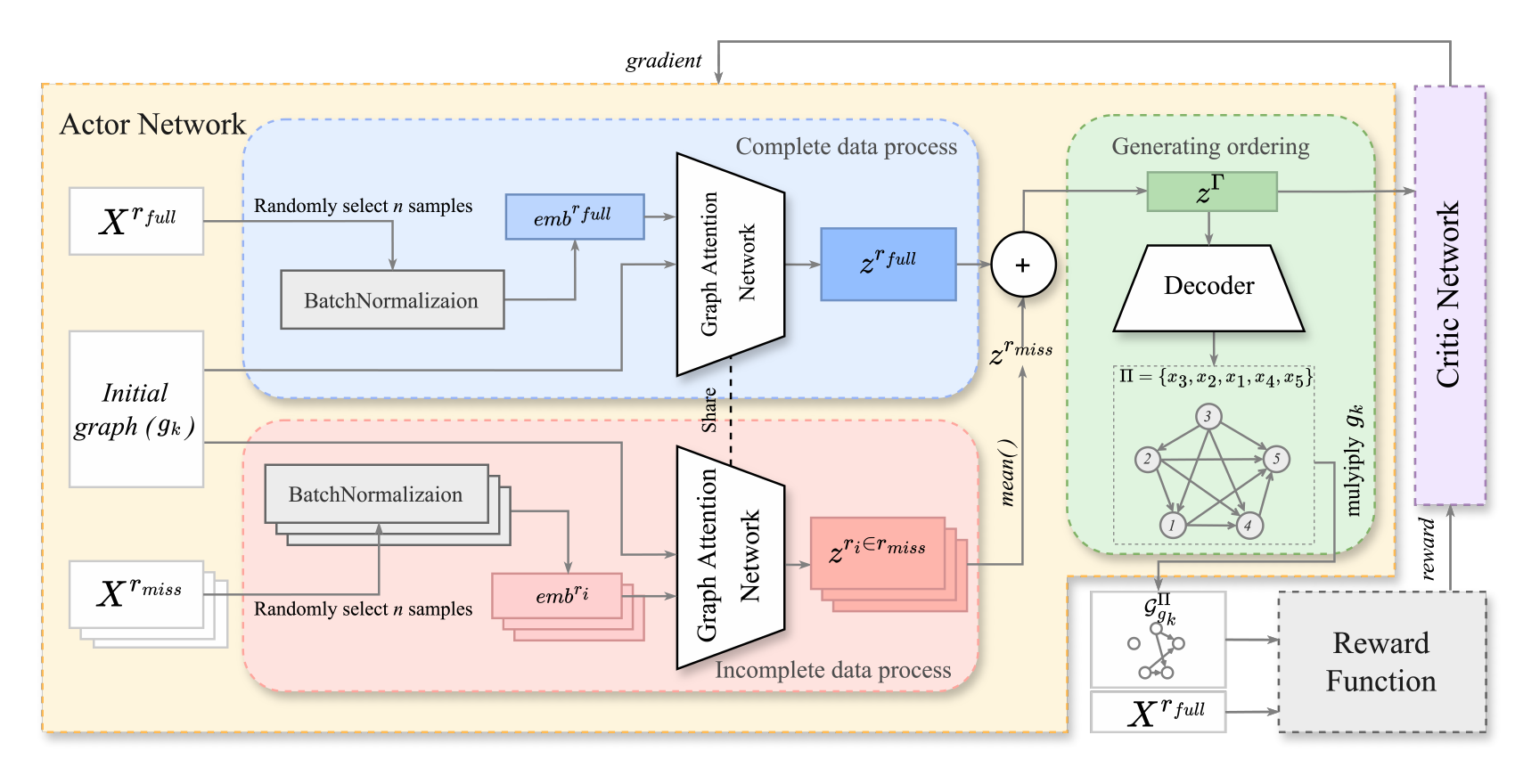
COKE discovers causal graphs in manufacturing data with extreme missingness (up to 90%) by exploiting expert knowledge and the chronological order among sensors instead of imputing missing values, improving F1-score by 39.9% on average over prior methods on semiconductor manufacturing datasets.
AAAI 2024 Root Cause Analysis in Microservice Using Neural Granger Causal Discovery

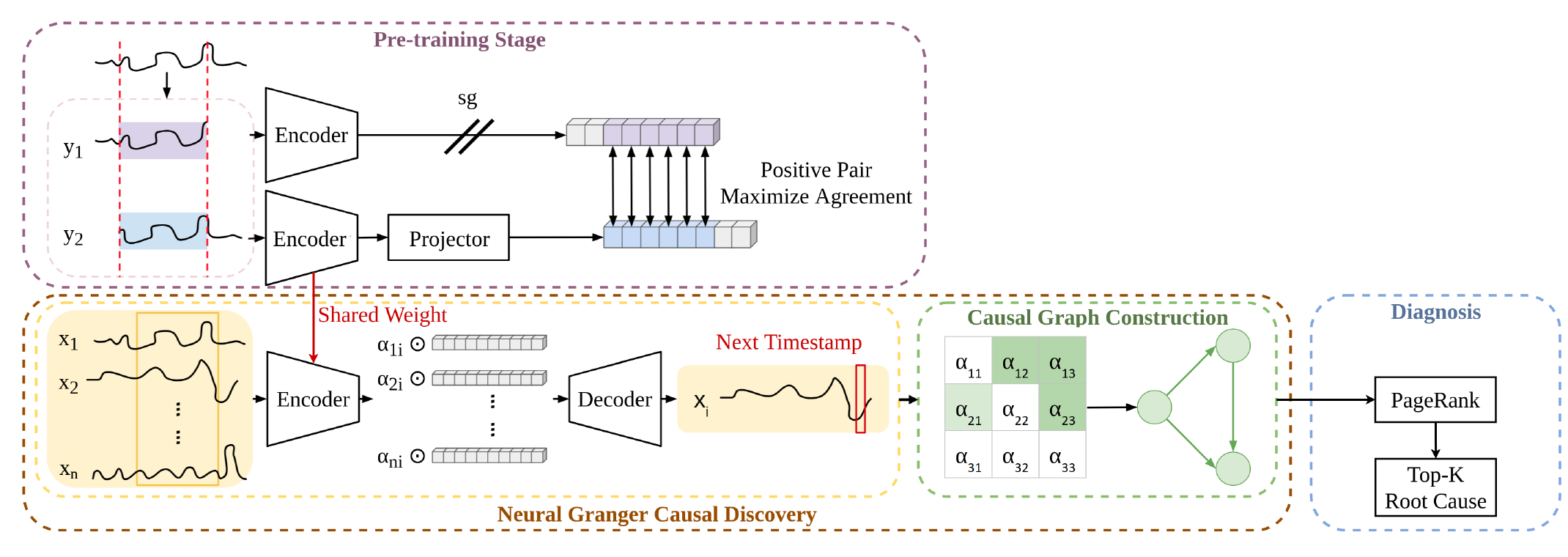
RUN performs root cause analysis in microservice systems via neural Granger causal discovery with contrastive learning, exploiting temporal precedence in time series to localize failure sources more accurately than existing techniques.
NeurIPS 2024 (Workshop: Time Series in the Age of Large Models) Text2Freq: Learning Series Patterns from Text via Frequency Domain
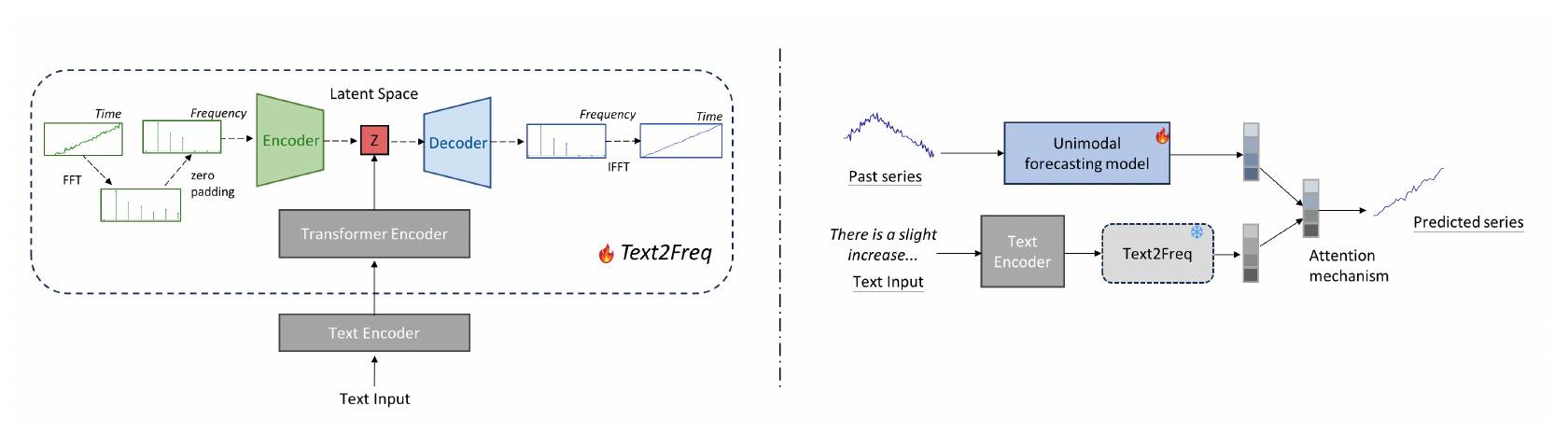
Text2Freq integrates textual event information with time series through the frequency domain, aligning text to the low-frequency components of the series to bridge the modality gap and improve forecasting performance.
NeurIPS 2024 (Workshop: Time Series in the Age of Large Models) Align and Fine-Tune: Enhancing LLMs for Time-Series Forecasting
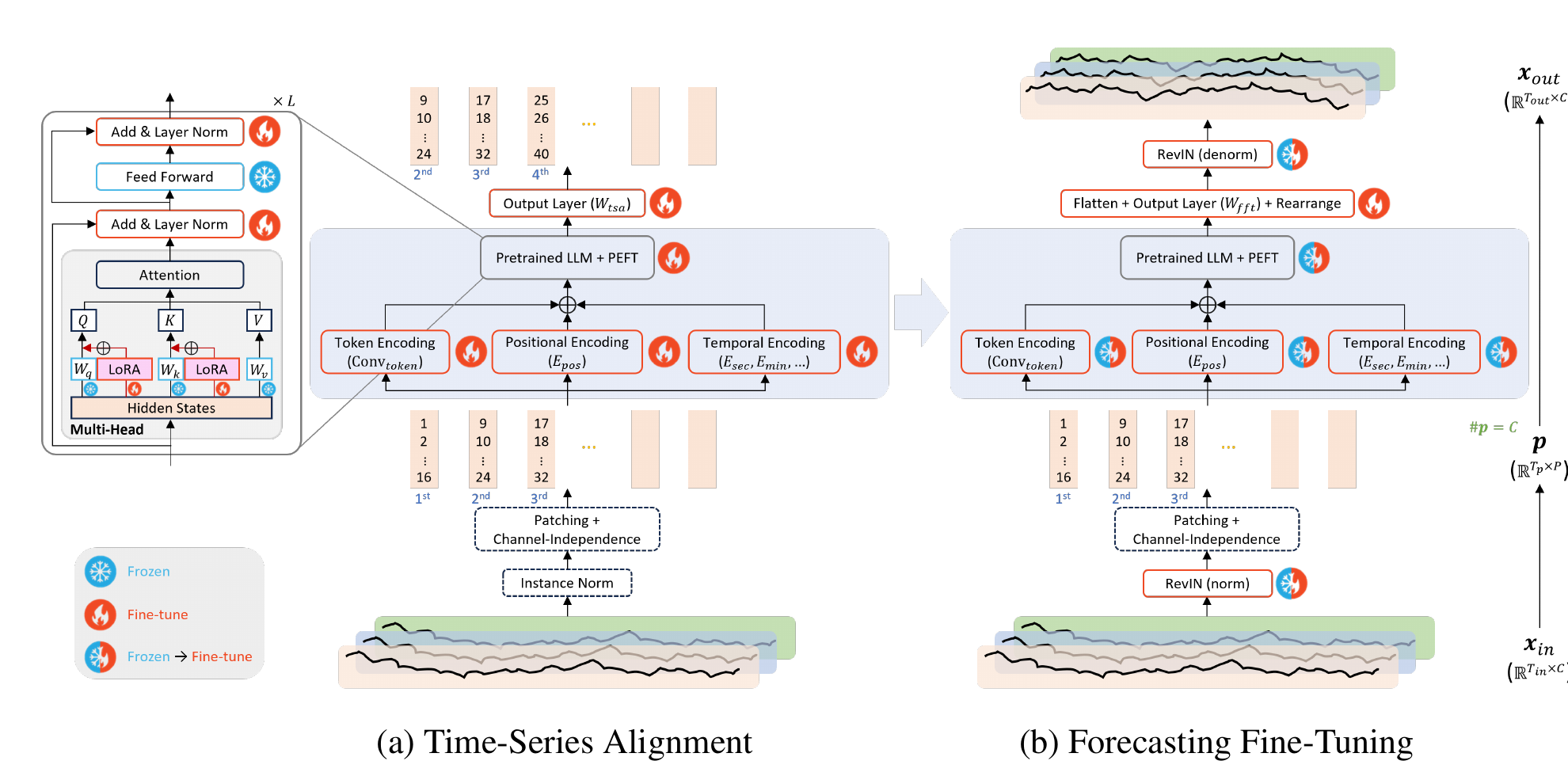
Proposes an align-then-fine-tune recipe for adapting pre-trained LLMs to time-series forecasting — first aligning temporal representations with the language model's embedding space, then fine-tuning for the forecasting task; the workshop precursor to LLM4TS.
NeurIPS 2024 (Workshop: Self-Supervised Learning - Theory and Practice) Self-Supervised Learning of Disentangled Representations for Multivariate Time-Series
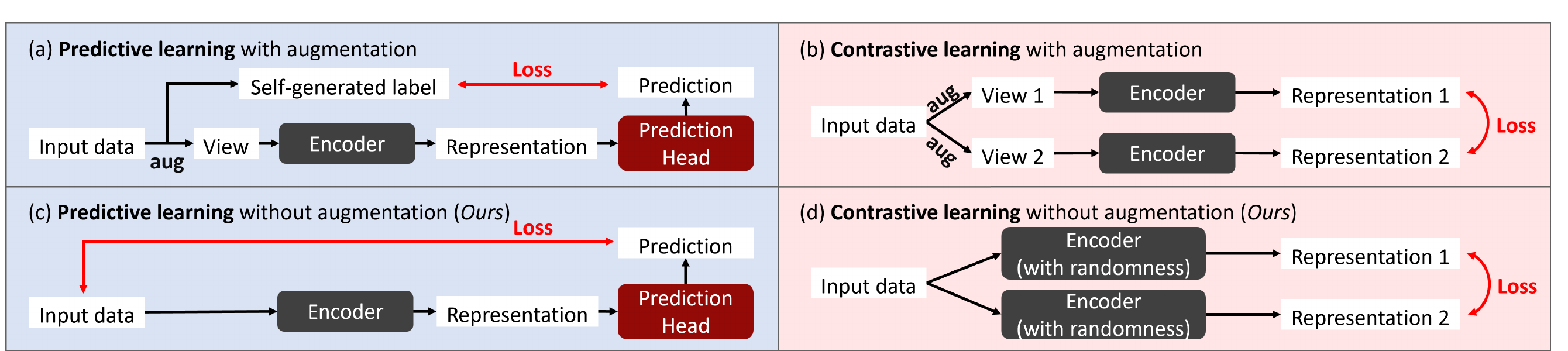
Learns disentangled timestamp-level and instance-level representations of multivariate time series with self-supervised objectives, reducing reliance on augmentation-induced inductive biases; the workshop precursor to TimeDRL.
🎖 Honors and Awards
- 2025.12 Financial Assistance Award, NeurIPS 2025, San Diego, USA
- 2025.06 Outstanding Reviewer Award (Top 10% of Reviewers), KDD 2025, Toronto, Canada
- 2024.11 Overseas Postgraduate Research Fellowship Program, National Science and Technology Council, Taipei, Taiwan
- 2024.06 International Conference Scholarship, National Yang Ming Chiao Tung University, Taipei, Taiwan
- 2024.05 International Conference Scholarship, National Science and Technology Council, Taipei, Taiwan
- 2024.02 AAAI Student Scholarship, 38th AAAI Conference on Artificial Intelligence, Vancouver, Canada
- 2022.02 Xin Miao Key Technology Doctoral Scholarship, Xin Miao Education Foundation, Taipei, Taiwan
- 2021.09 Industry-Academia Cooperative PhD Project Scholarship, Ministry of Education Republic of China (Taiwan), Taipei, Taiwan
💬 Invited Talks
-
2025.09, Time Series AI for Strategic Business Intelligence and Manufacturing Optimization, TSMC AI4BI Innovation Center
Delivered a talk on leveraging AI-driven time series analysis to generate actionable business intelligence. Slides
-
2025.06, Advanced Time Series Analysis Techniques for Industrial Applications, University of Southern California (USC)
Delivered a talk on cutting-edge time series analysis methods tailored for deployment in industrial and manufacturing settings. Slides
-
2023.08, Time Series Analysis with LLMs, LLM Industry-Academia Technical Exchange Conference, National Center for High-Performance Computing
Discussed the use of large language models for analyzing time series data and their potential applications in industry.
Shared the stage with Hung-Yi Lee and Hsiang-Tsung Kung. Website Slides Video
🎓 Academic Services
- Reviewer for Conferences: NeurIPS, ICLR, ICML, KDD, AAAI, WWW, ICDE
- Reviewer for Journals: TNNLS, TIST, TMLR, TSC, ESWA